
Get The Latest On Our Greatest
Subscribe to Our Company/Product Updates


Tuesday, December 9, 2025
When it comes to mitigating wildfire risk, reducing a structure's ignition potential is critical. This extends to deck construction. If not fire-hardened, decks can ignite from wind-blown embers and act like a fuse, carrying flames straight to the main structure. That's why many states and local jurisdictions have adopted fire codes that specify how decks in vulnerable regions should be built and what materials they can use.
So, what are the codes for building a deck? The short answer: it depends. Across the country, fire codes can vary widely. For example, the International Wildland-Urban Interface Code (IWUIC) sets requirements for areas in designated Wildland-Urban Interface (WUI) zones. The National Fire Protection Association (NFPA) also has standards outlining minimum safety requirements for infrastructure in wildland areas. In addition, some states where the wildfire risk is high, such as California, have their own fire codes. Once a local building department adopts any of these standards, whether as-is or amended, contractors need to make sure the decks they are building in the region achieve code compliance.
The tricky part? Fire codes are always evolving. That's why staying up to date on code changes is key for compliance and making sure outdoor spaces are truly safer for homeowners and communities.
Here are some of the latest 2025 fire code updates applicable to fire-resistant deck construction:
California’s new Wildland-Urban Interface Code (CWUIC)
Earlier this year, California consolidated its existing codes (Chapter 7a of the building code, Chapter 49 of the fire code and Chapter 337 of the residential code) and adopted the all-encompassing 2025 California Wildland-Urban Interface Code (CWUIC). This update creates a single, standalone code to give contractors and local officials a more straightforward reference, which in turn should make the fire code easier to implement and enforce. The CWUIC goes into effect January 1, 2026.
It is important to note that the requirements for fire-resistant decks are not changing. For outdoor structures within the “intermediate ignition zone,” meaning anything attached to a home or extending up to five feet outward, contractors must continue using noncombustible building materials. This requirement applies to the entire outdoor living space, including the deck surface material, the deck frame below, and the house siding to mitigate the risk of fire spread during wildfire events.
NFPA 1144 is now consolidated into NFPA 1140
As part of NFPA’s effort to simplify its wildfire and emergency response documents, the old NFPA 1144 Standard has now been rolled into a new, combined standard called NFPA 1140. Similar to the CWUIC, the goal here is to make it easier to implement and enforce the fire codes that apply in wildfire-prone areas. Again, what isn’t changing are the requirements for building a fire-resistant deck. The new Standard still calls for a one-hour fire-resistant assembly (decking, framing and siding) to achieve code compliance.
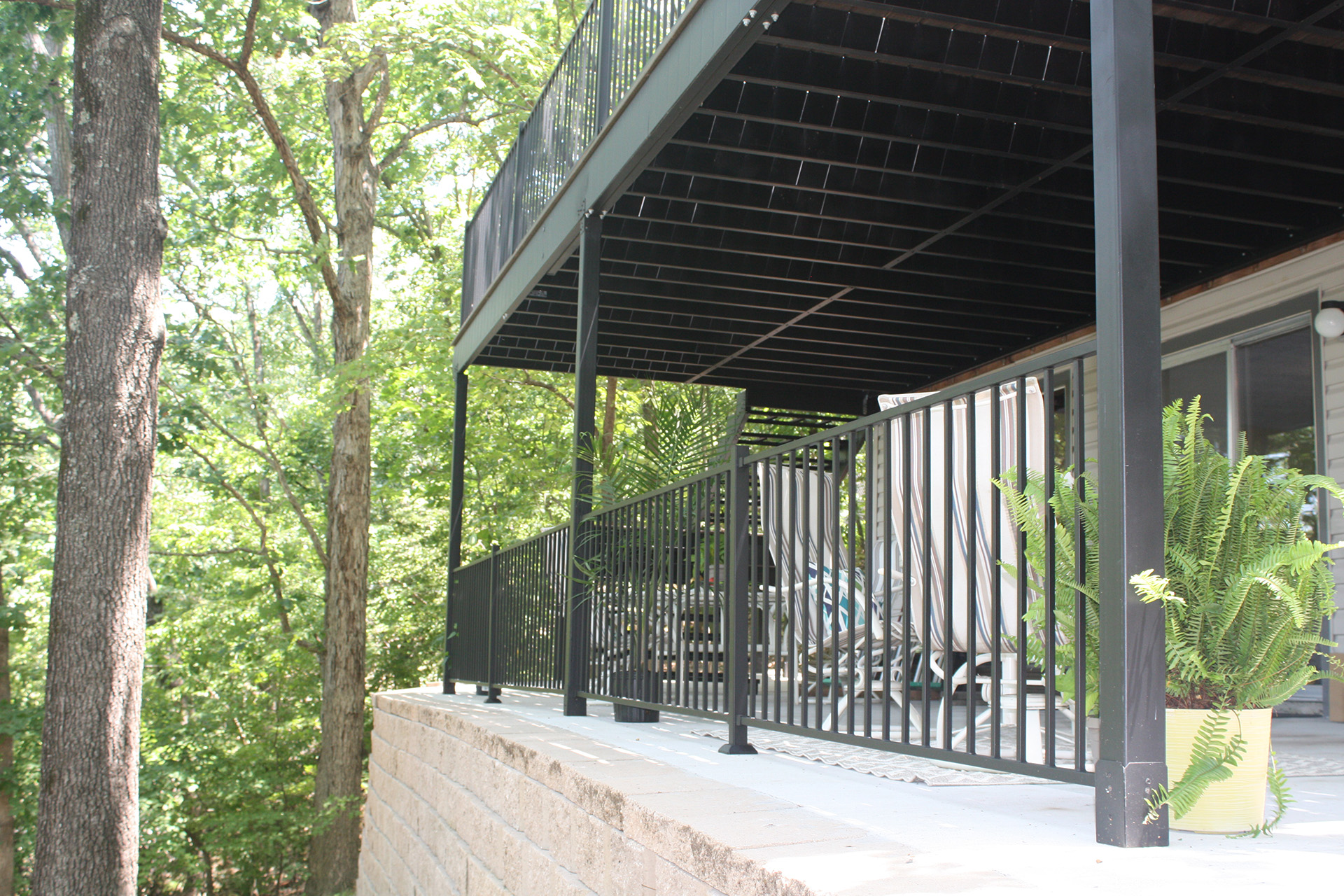
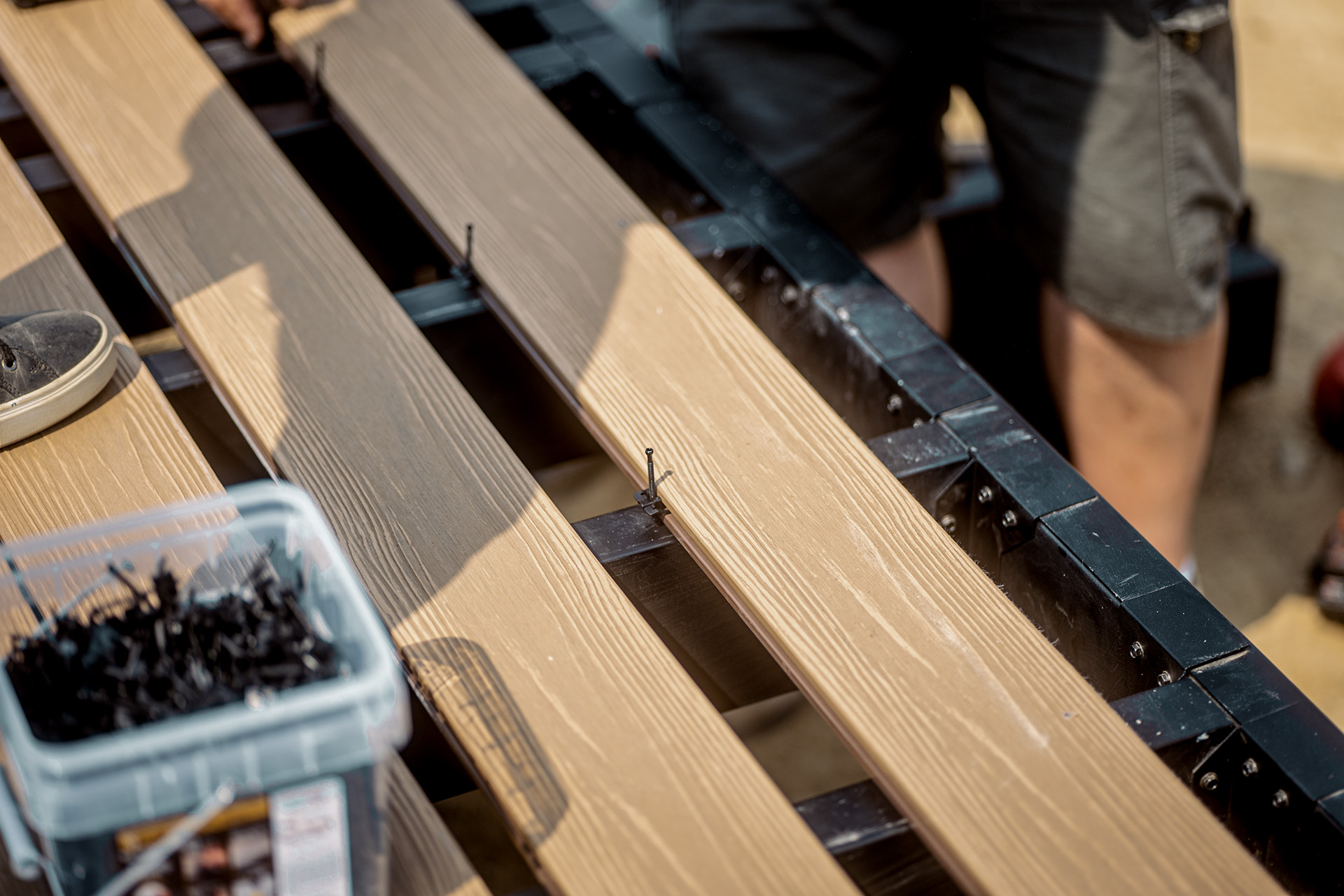
Meeting fire code requirements for fire-resistant decks with Evolution steel deck framing
Contractors looking to comply with fire codes and deliver safe and resilient outdoor spaces should carefully consider the deck framing material. This is critical as a burning combustible joist can rapidly spread fire to the deck boards and eventually to the attached structure, as highlighted by an Insurance Institute for Business & Home Safety (IBHS) study.
While fire-retardant treated (FRT) wood is often marketed as a fire-safe option and permitted for deck construction under WUI and NFPA 1140, it is still a combustible material at its core. This is why it may not be permitted in California. If FRT wood framing ignites, there is a possibility that flames can travel back to the home, putting the occupants and residence at risk. By contrast, steel is a noncombustible, ignition- and fire-resistant building material by nature. This makes it a reliable choice for contractors looking to meet all fire codes, including IWUIC, CWUIC and NFPA 1140.
Underscoring its safety factor, Evolution steel deck framing system from Fortress Building Products received a Class A fire-resistant rating after completing the ASTM E84-21a, Standard Test Method for Surface Burning Characteristics of Building Materials. Its dependable fire-performance has led leading contractors to choose the steel deck framing system over FRT wood.
Always consult the local building department as they may have additional or more specific requirements to achieve fire code compliance.
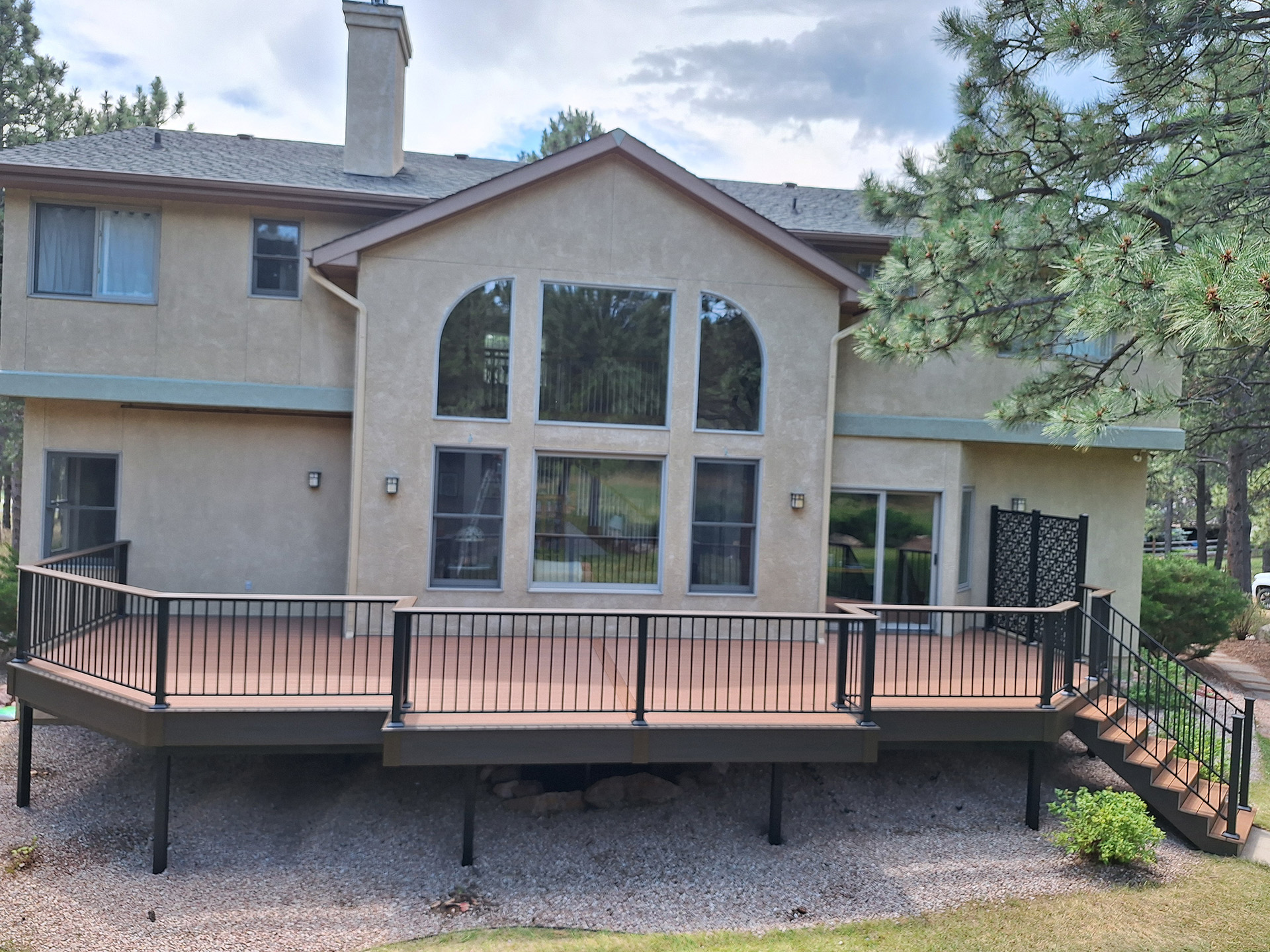
With tested deck framing solutions like Fortress® Evolution, contractors can deliver fire-safe outdoor living spaces no matter which part of the country their next project is located in. Check out our Where to Buy page to locate a dealer near you.
Search
